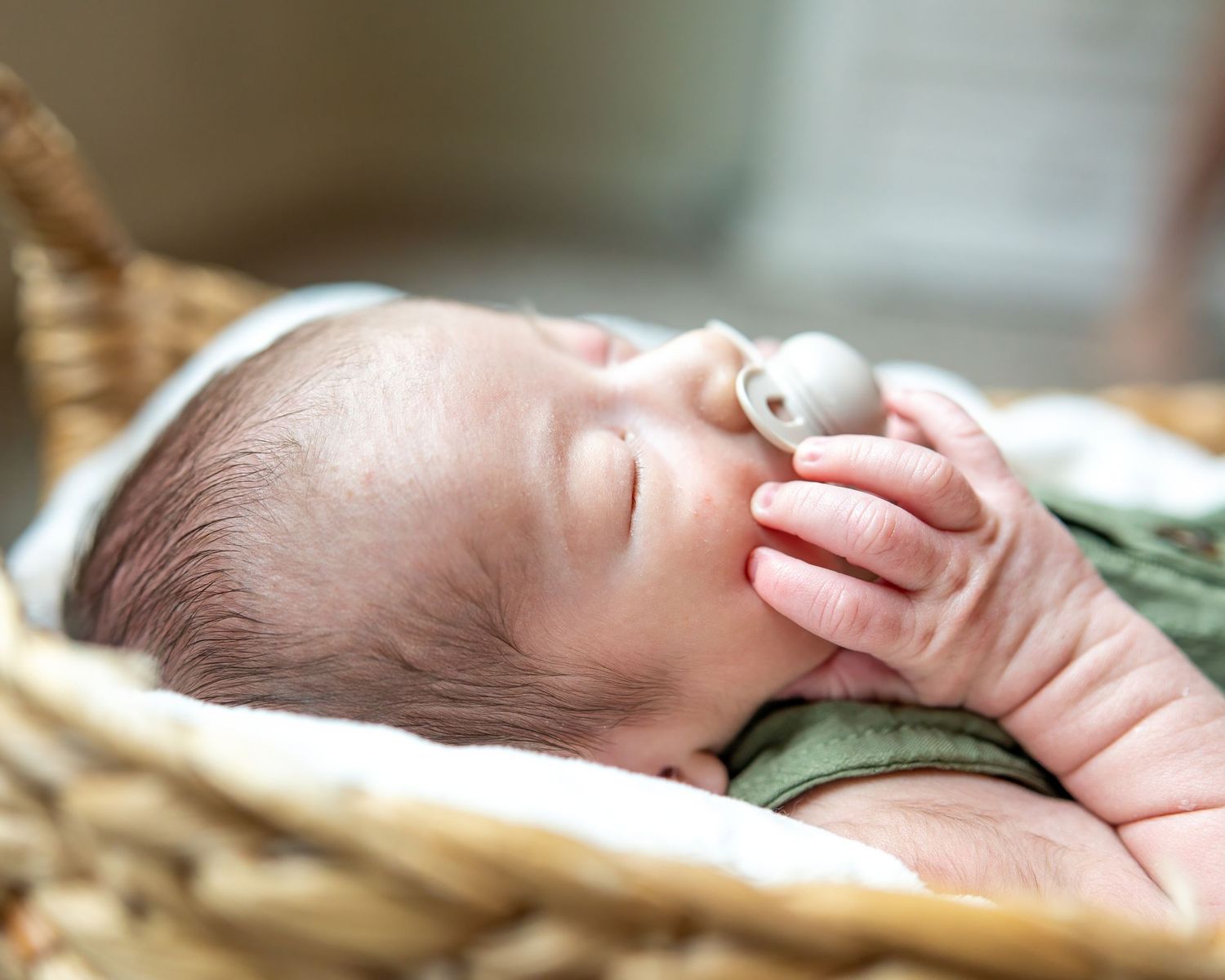
sleep deprivation ... my story
Sleep is one of those things you don’t fully understand until you’re deeply deprived of it.
My second baby was born a great sleeper. So great, in fact, that we had to wake him to feed until his jaundice was under control. I remember thinking, Oh, this is different. We’ve seriously lucked out!
Spoiler: we had not.
Around three months old, his sleep completely unraveled. What started as frequent wake-ups slowly turned into something much harder. By the time he was around two, he was waking every 45 minutes. Night after night. Month after month.
And it nearly broke me.
Sleep deprivation doesn’t just make you tired—it chips away at your patience, your mood, and your ability to cope. It affected my mental health in ways I didn’t fully recognize until I was already deep in it. I felt foggy, emotional, short-tempered, and overwhelmed. I loved my child fiercely… and I was exhausted beyond words.
Eventually, under the guidance of a therapist, we made the decision to try crying it out. And I want to be very honest here: I could not stomach listening to him cry for hours. He’s stubborn (still is), and it was clear that I was the trigger.
So my husband stepped in.
He held and rocked our screaming, crying baby while he cried for me—until he finally fell asleep. It was brutal for everyone. But it was also an act of love and partnership that allowed me to step away, breathe, and get the rest I desperately needed.
And here’s something I need other moms to hear: it is okay to tap dad in.
Even if he works a 9–5.
Even if you’re breastfeeding.
Even if you feel guilty.
Sleep is not a luxury. It is a basic human need, and lack of it can deeply impact your mental health, your relationships, and your ability to show up as the parent you want to be.
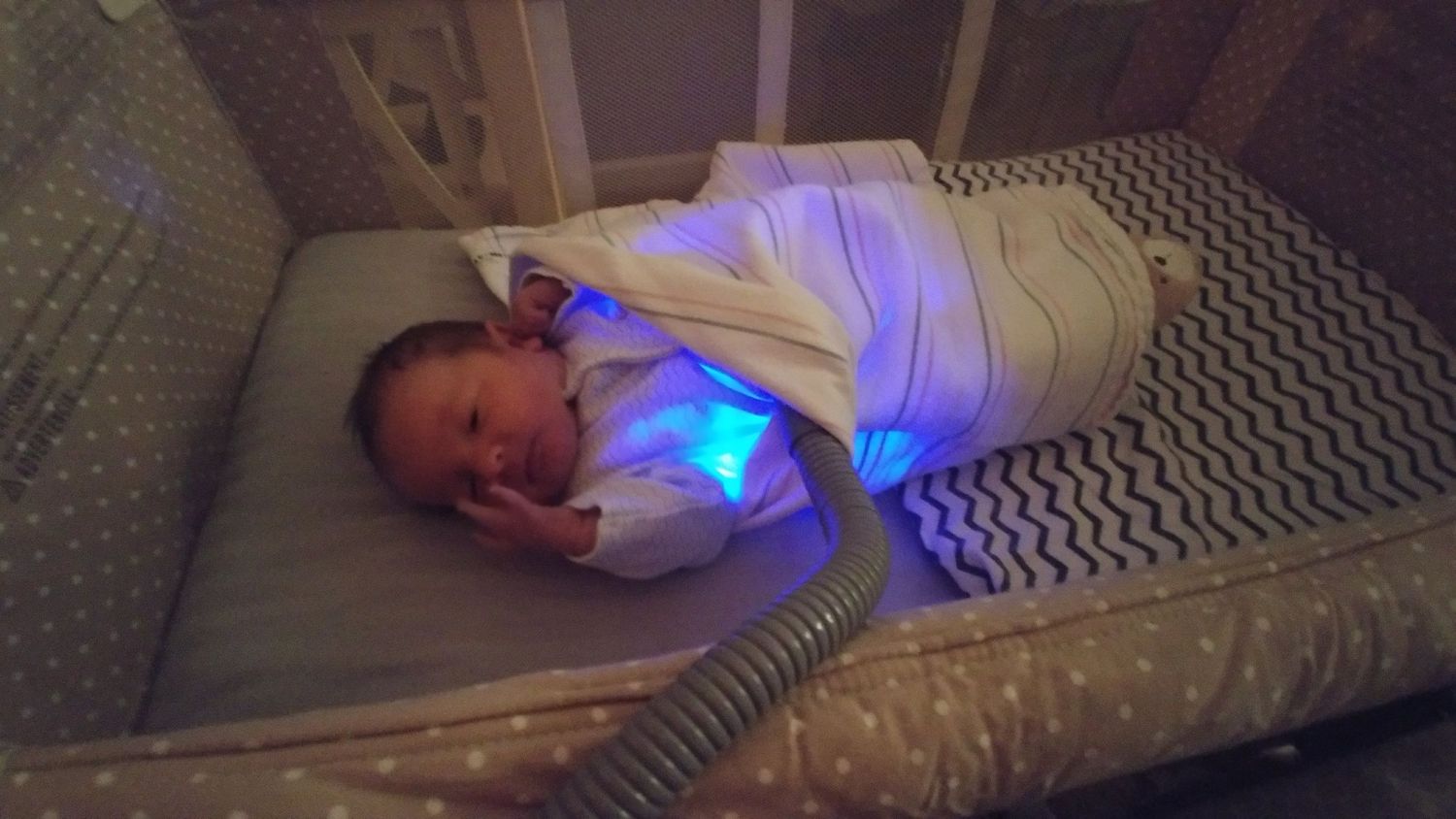
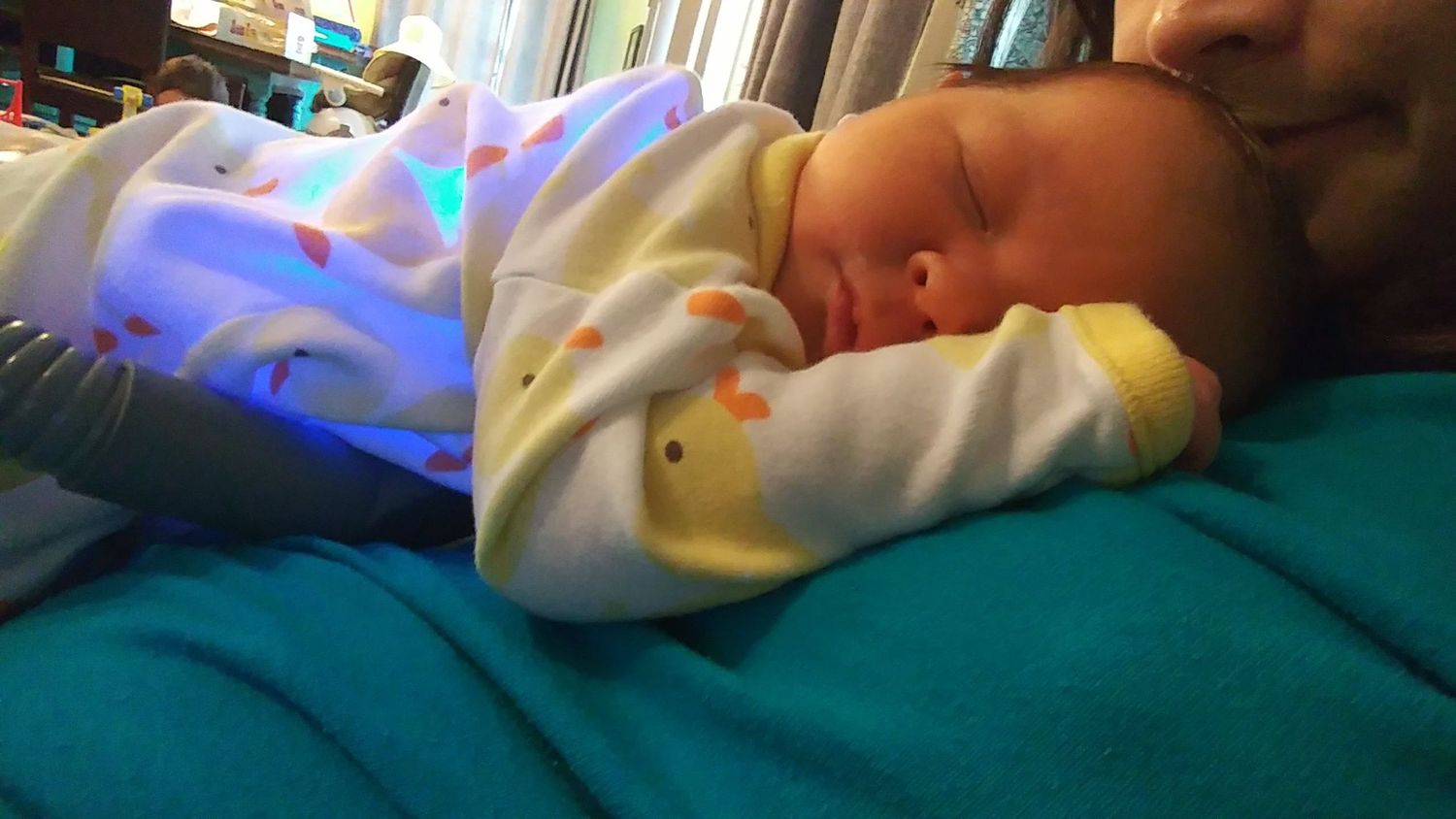
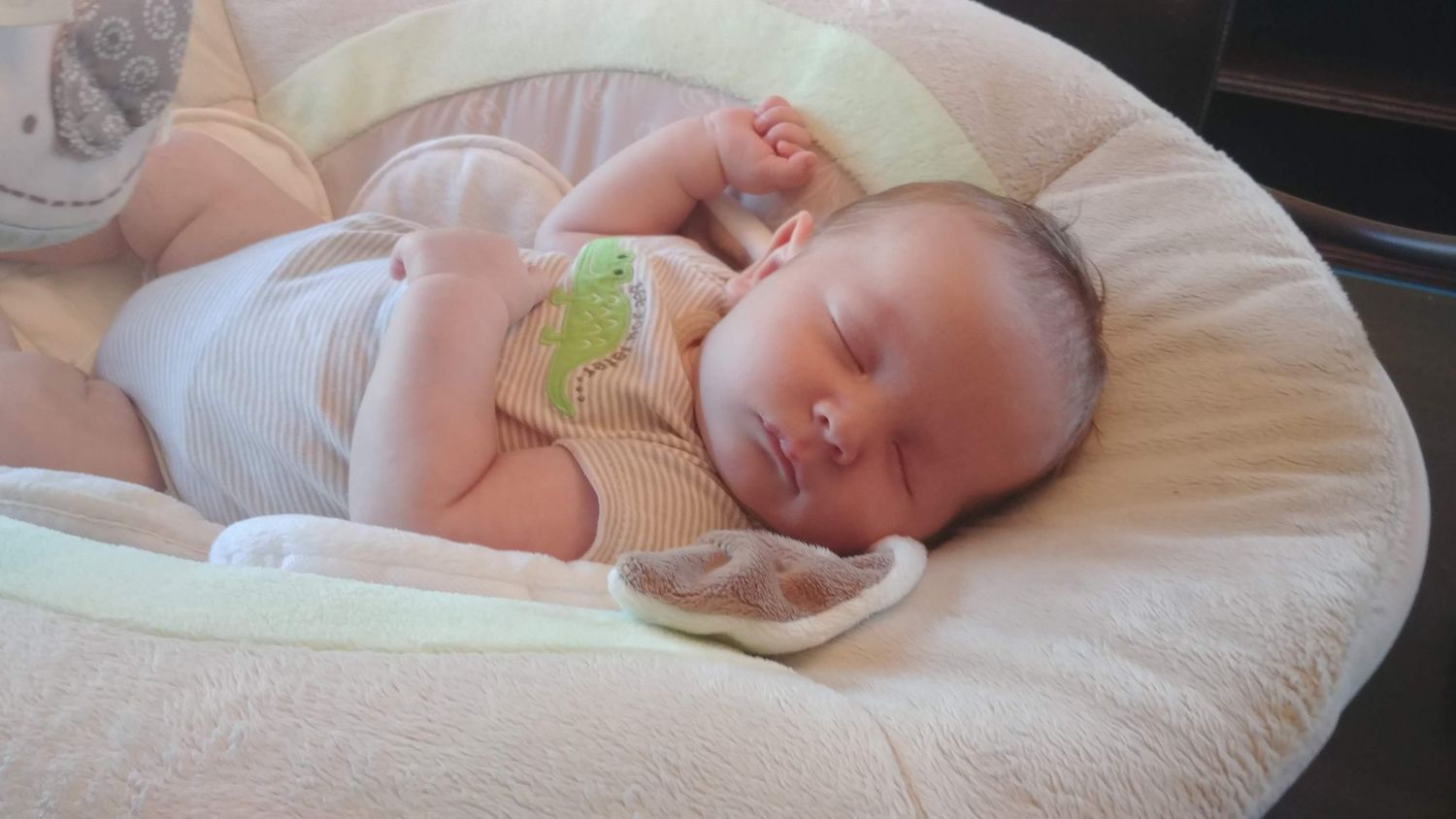
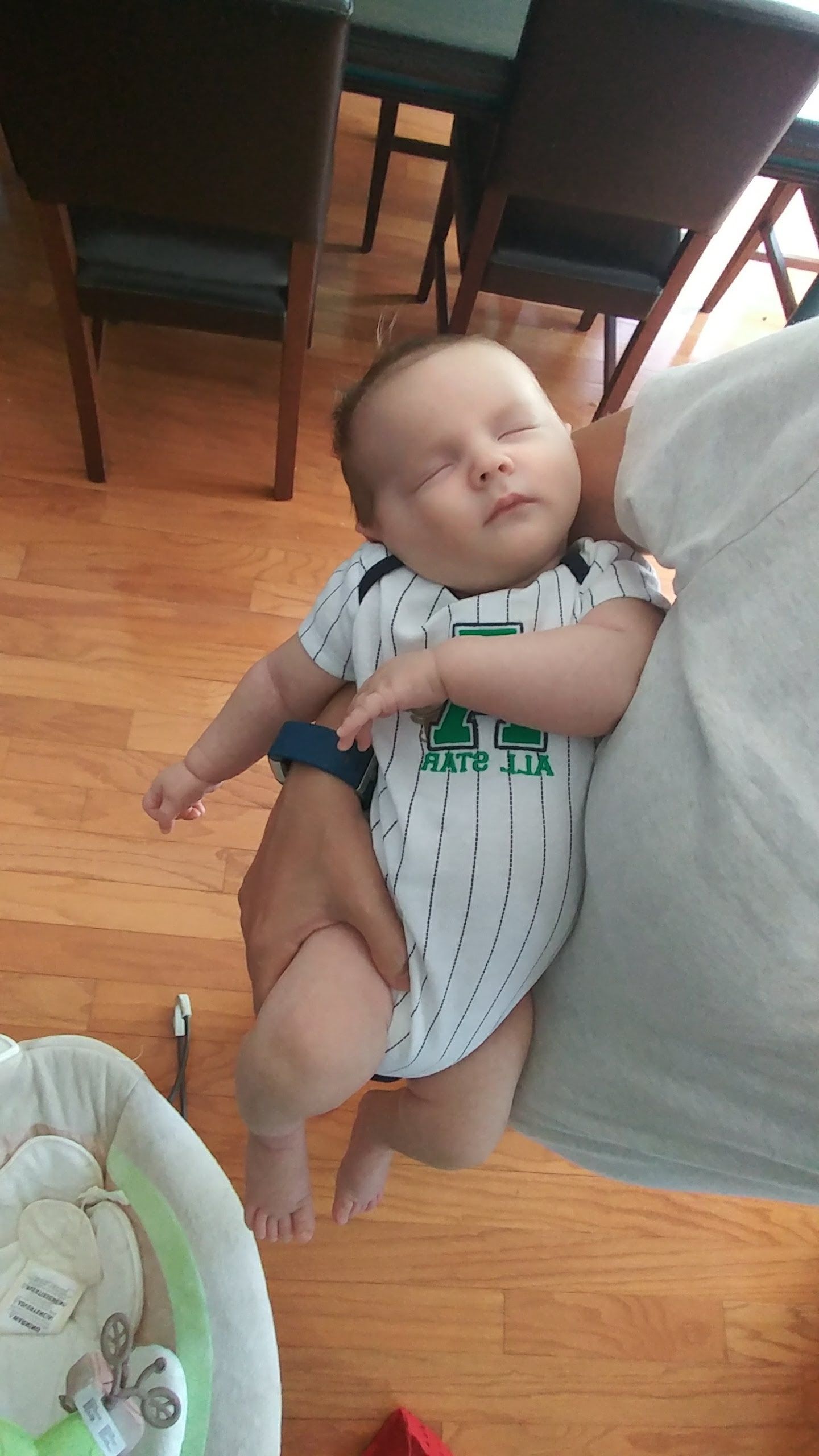
Random photos of my kid *actually* sleeping
Gentle, Safe Sleep Reminders (Because Information Matters)
Every baby is different, and there is no one-size-fits-all approach to sleep. But a few evidence-based, safety-focused reminders are always worth repeating:
- Babies should sleep on their backs, on a firm, flat surface, in an empty crib or bassinet
- Room-sharing (without bed-sharing) is recommended for at least the first 6 months
- Avoid loose blankets, pillows, bumpers, or stuffed animals in the sleep space
- A consistent bedtime routine—simple and predictable—can help signal sleep, even if it doesn’t work overnight
And if sleep feels impossible or unsafe practices start to feel tempting because you’re desperate? That’s a sign you need support—not judgment.
A Few Things That Helped Us (Eventually)
None of these were magic fixes, but together they mattered:
- Consistency over perfection – Even when nights were awful, routines helped create predictability
- Letting someone else help – A partner, a grandparent, a trusted friend
- Daytime support – Resting when possible, even if sleep didn’t happen
- Professional guidance – Our therapist helped us make decisions that felt right for our family
- And maybe most importantly: giving myself permission to say this is hard.

If You’re in It Right Now
If you’re reading this while rocking a baby at 2 a.m., crying quietly so no one else hears—please know this: you are not failing, you are not weak ... you are exhausted.
Sleep deprivation is real, it’s heavy, and it deserves to be taken seriously.
One day, your baby will sleep and this season will pass. And in the meantime, it’s okay to ask for help, to share the load, and to do what you need to do to protect your mental health.
You matter, too.
If lack of sleep is impacting your mood, anxiety, or ability to cope, you are not alone — and support is available. These resources are trusted, evidence-based, and designed specifically for parents navigating the postpartum season (even years after birth).
Postpartum Support International (PSI)
https://www.postpartum.net
Offers a free helpline, online support groups, and local provider referrals for postpartum depression, anxiety, OCD, and mood disorders.
PSI Helpline
Call or text 1-800-944-4773
(Text in English or Spanish available)
National Maternal Mental Health Hotline (U.S.)
https://www.mchb.hrsa.gov/national-maternal-mental-health-hotline
1-833-943-5746
24/7, confidential support for pregnant and postpartum parents.
The Motherhood Center
https://www.themotherhoodcenter.com
Education, therapy, and support focused on maternal mental health and emotional well-being.
If you’re ever feeling unsafe or overwhelmed to the point of crisis, please reach out to 988 (U.S.) for immediate support.
Asking for help is not a failure — it’s a sign that you care deeply about your family and yourself.